April 30, 2026
Driving Investment Reform: Policymakers and Business Leaders Convene to Shape Bangladesh’s Economic Future
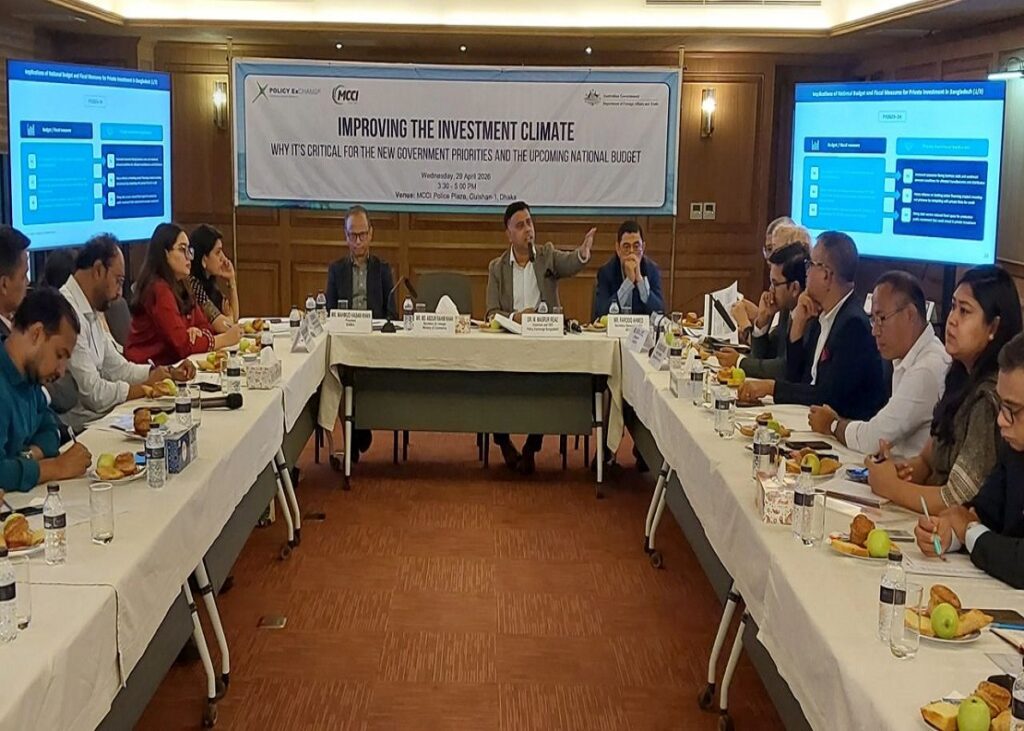
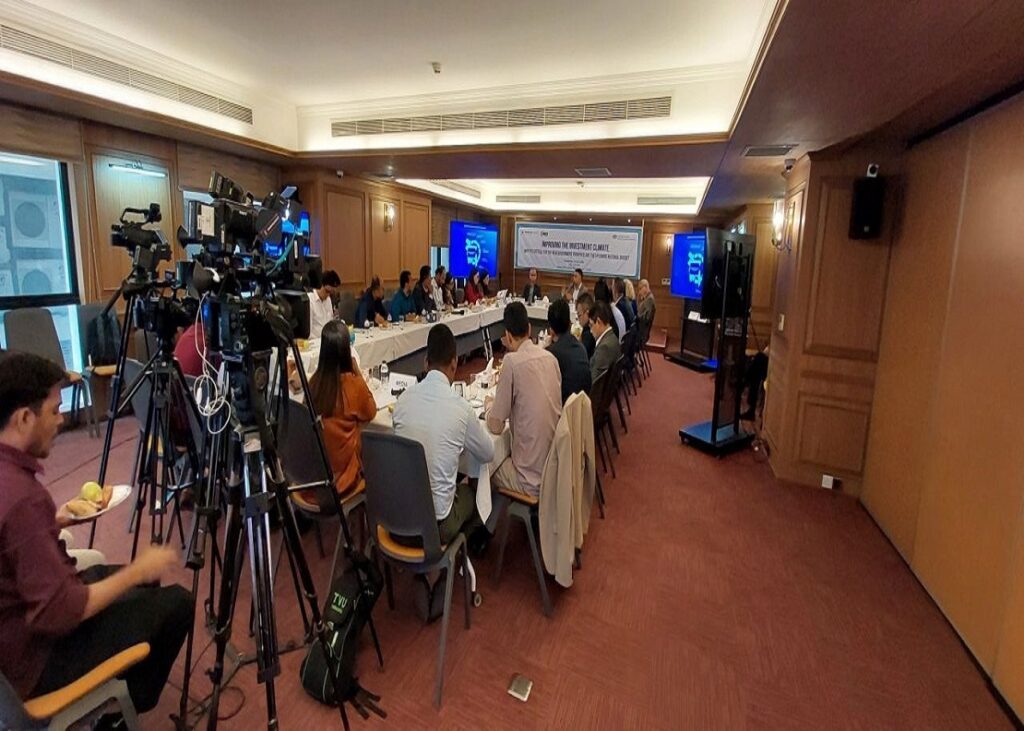
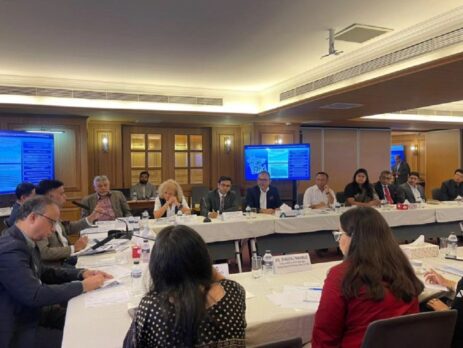
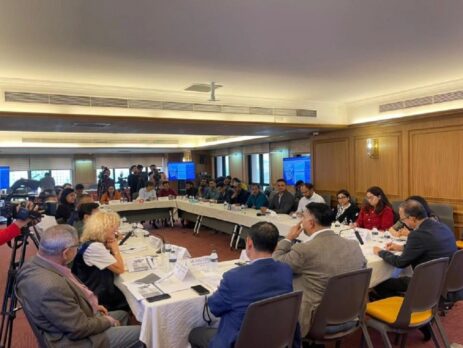
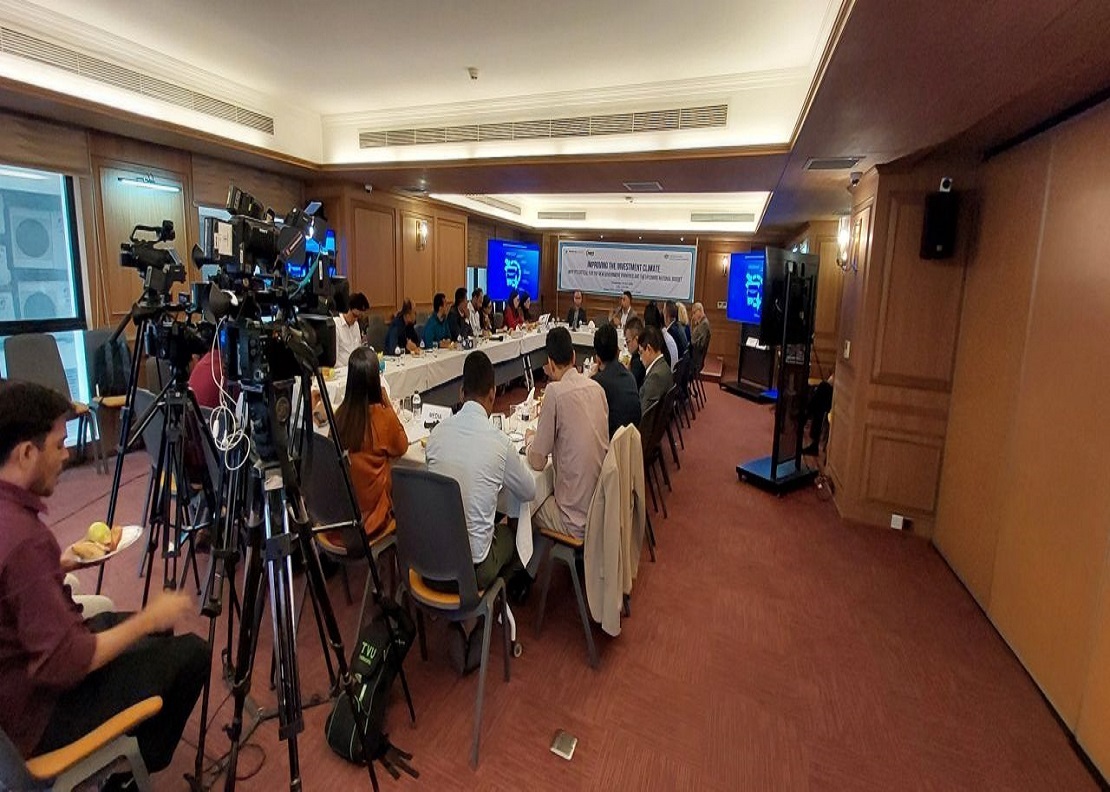
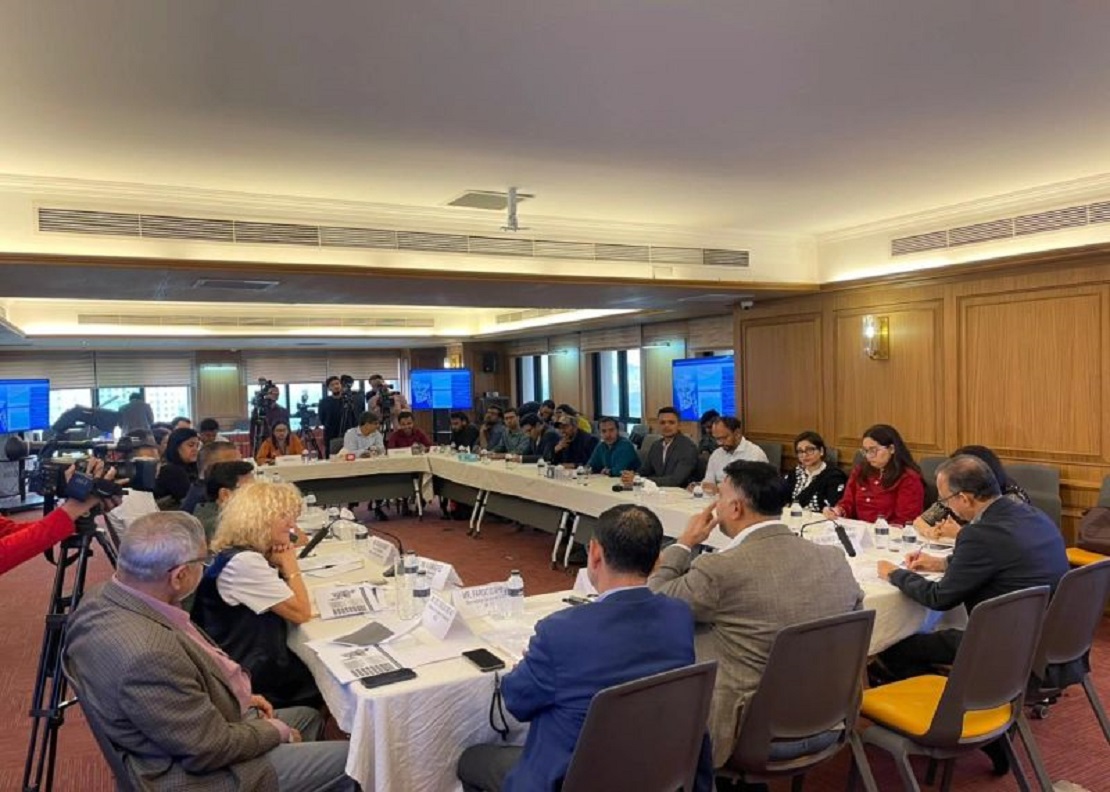
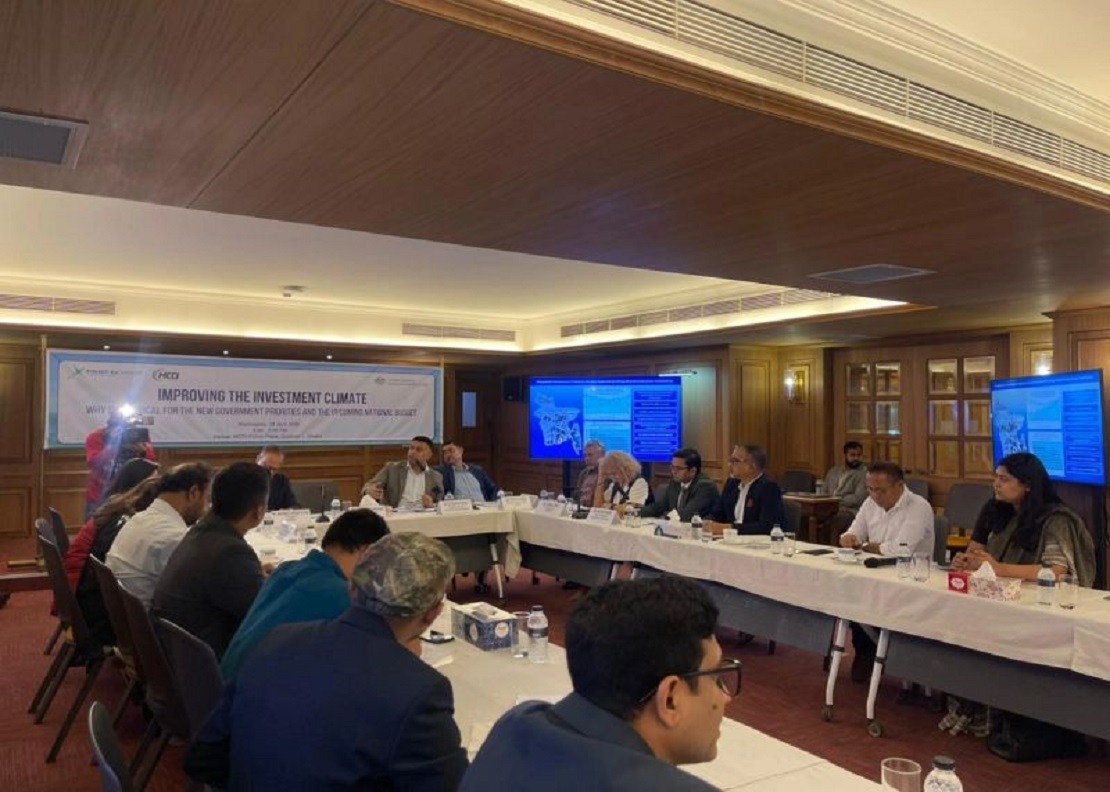
Dhaka, April 29, 2026 – At a critical juncture for Bangladesh’s economic future, where sustaining growth and attracting quality investment remain pressing priorities, policymakers and business leaders gathered today to discuss how to strengthen the country’s business and investment climate. With the new government setting its reform agenda following the recent election, the dialogue emphasized the urgency of improving regulatory predictability, ease of doing business, and investor confidence, key areas that will shape policy priorities and the upcoming national budget.
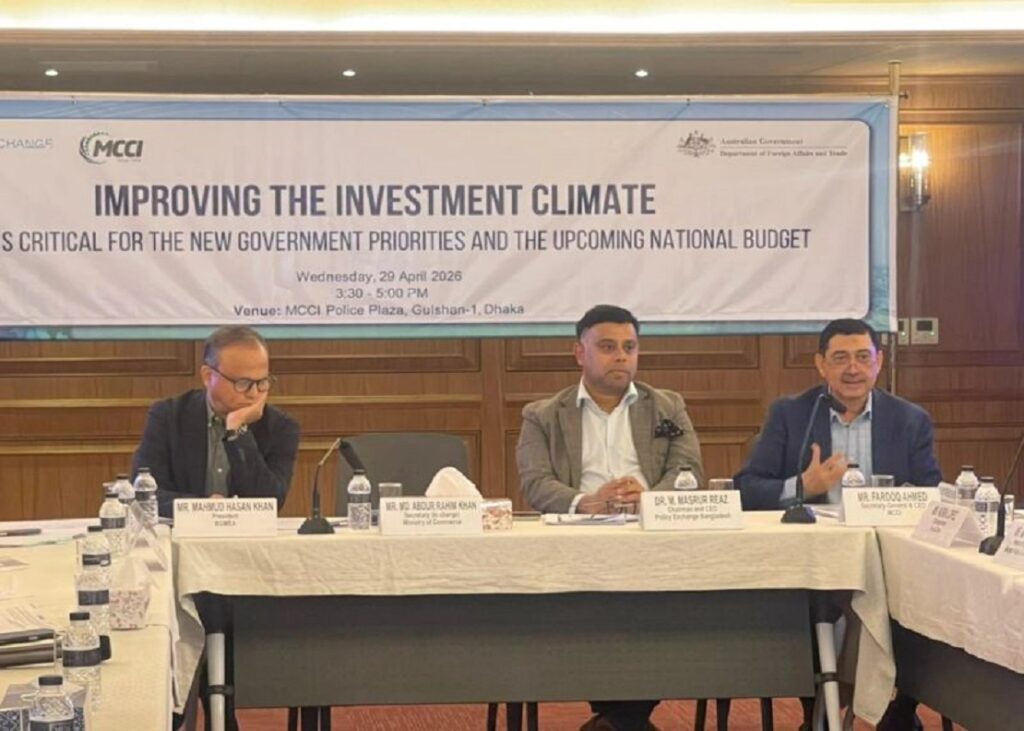
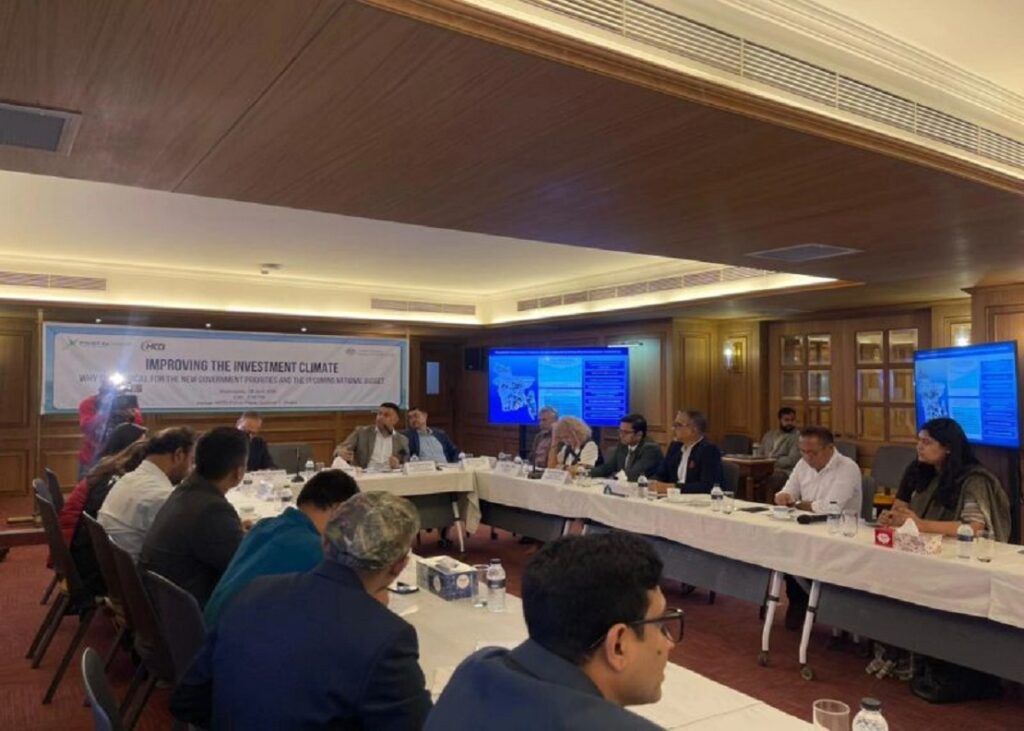
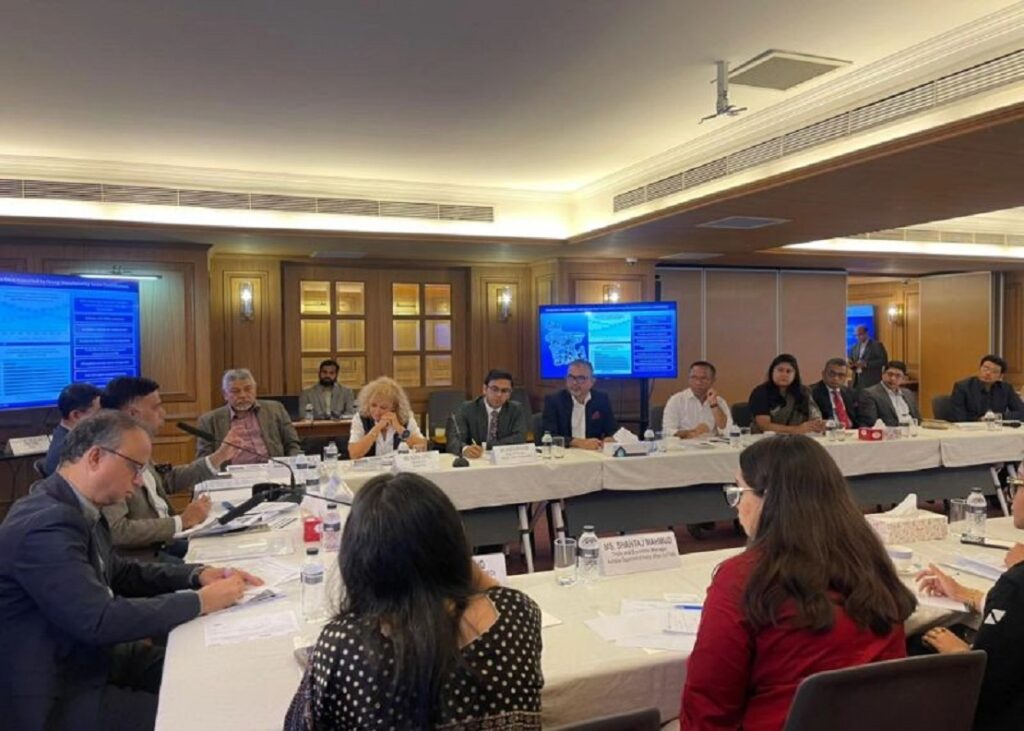
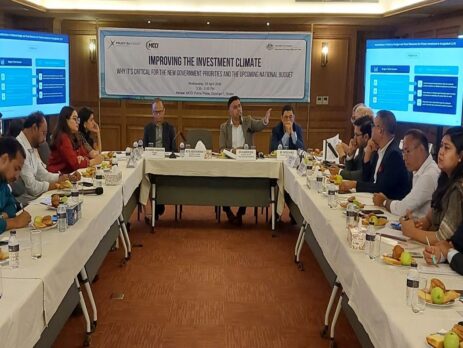
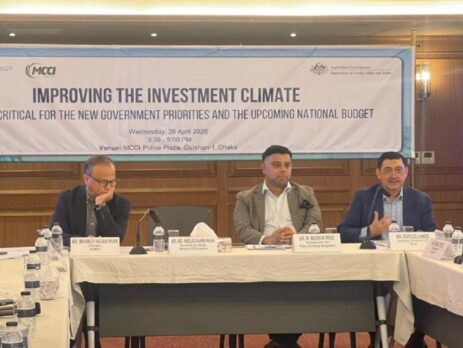
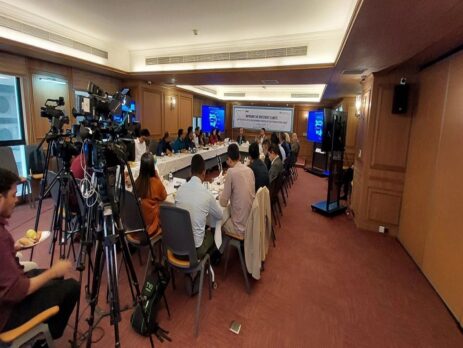
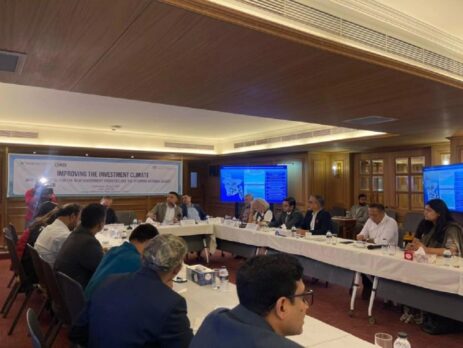
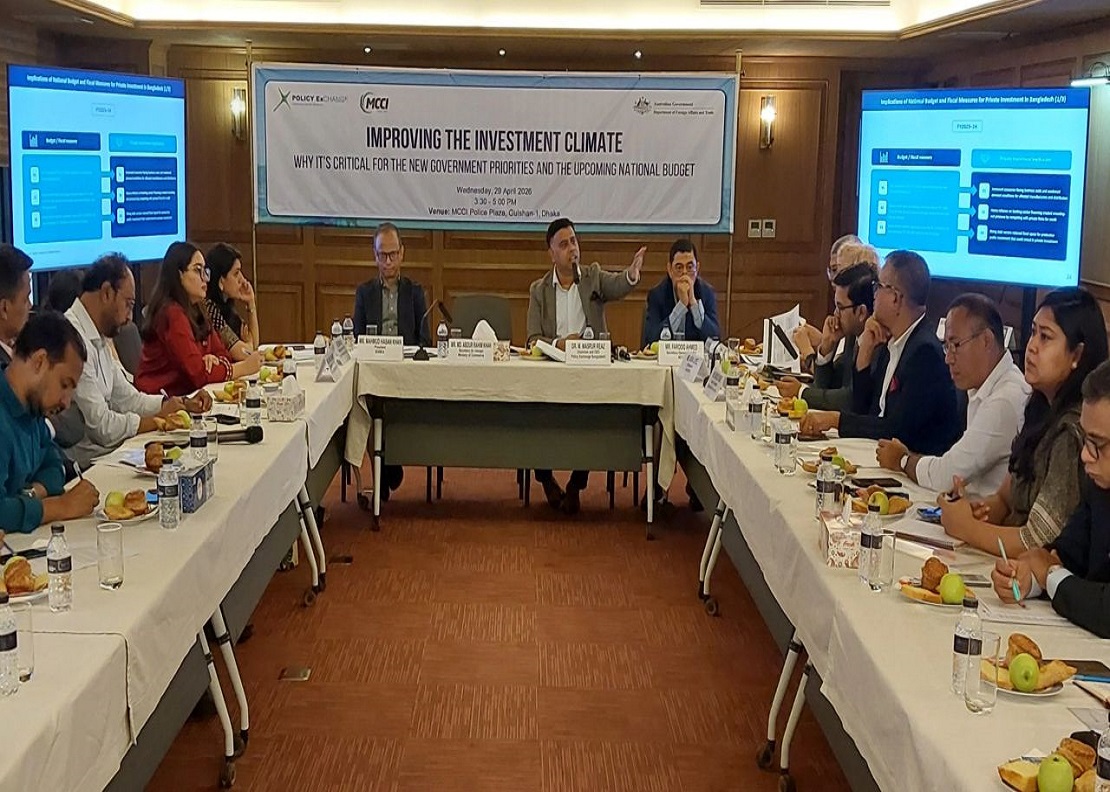
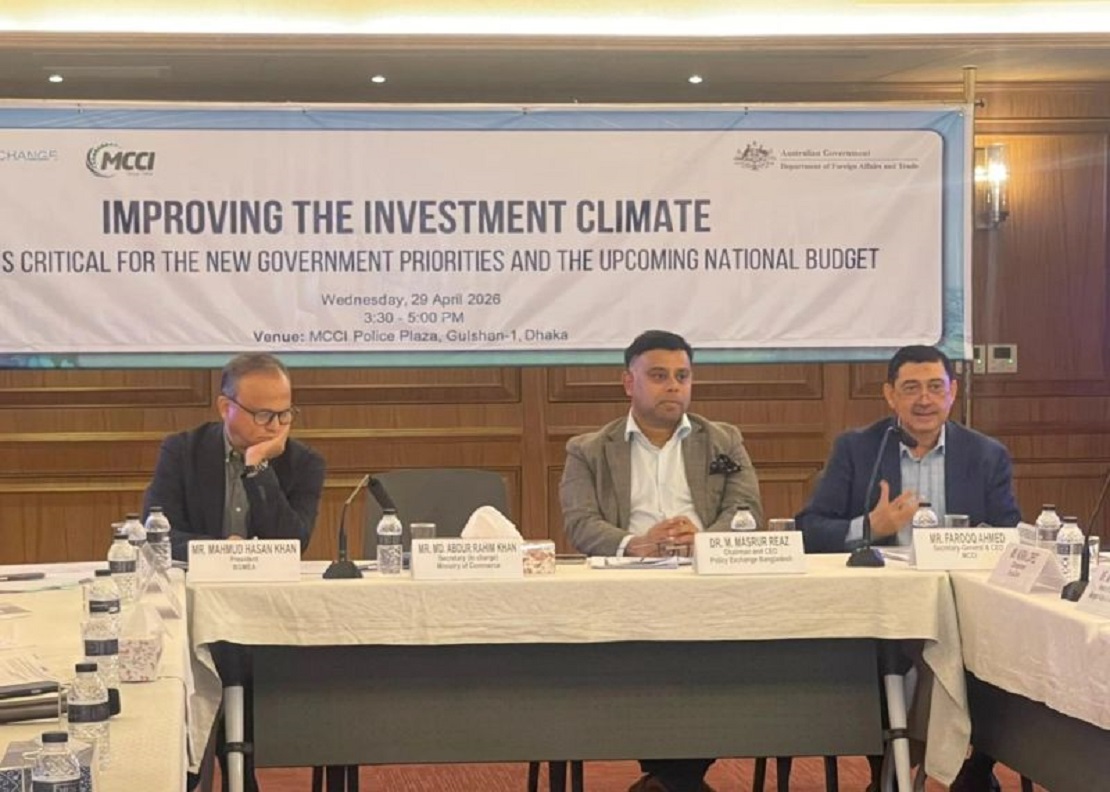
The Business Climate Dialogue, titled “Improving the Investment Climate: Why It’s Critical for the New Government Priorities and the Upcoming National Budget,” was jointly organized by the Metropolitan Chamber of Commerce and Industry (MCCI) and Policy Exchange Bangladesh, with support from the Australian High Commission. The event was graced by Guest of Honor Mr. Mahmud Hasan Khan, President of the Bangladesh Garment Manufacturers and Exporters Association (BGMEA).
The session began with welcome remarks by Mr. Farooq Ahmed, Secretary General and CEO of the Metropolitan Chamber of Commerce and Industry (MCCI), who set the context for the dialogue and emphasized the importance of strengthening the investment climate to support sustainable economic growth. Delivering the keynote presentation, Dr. M. Masrur Reaz, Chairman and CEO of Policy Exchange Bangladesh, highlighted the importance of undertaking timely reforms to unlock private sector growth, improve competitiveness, and attract both domestic and foreign investment.
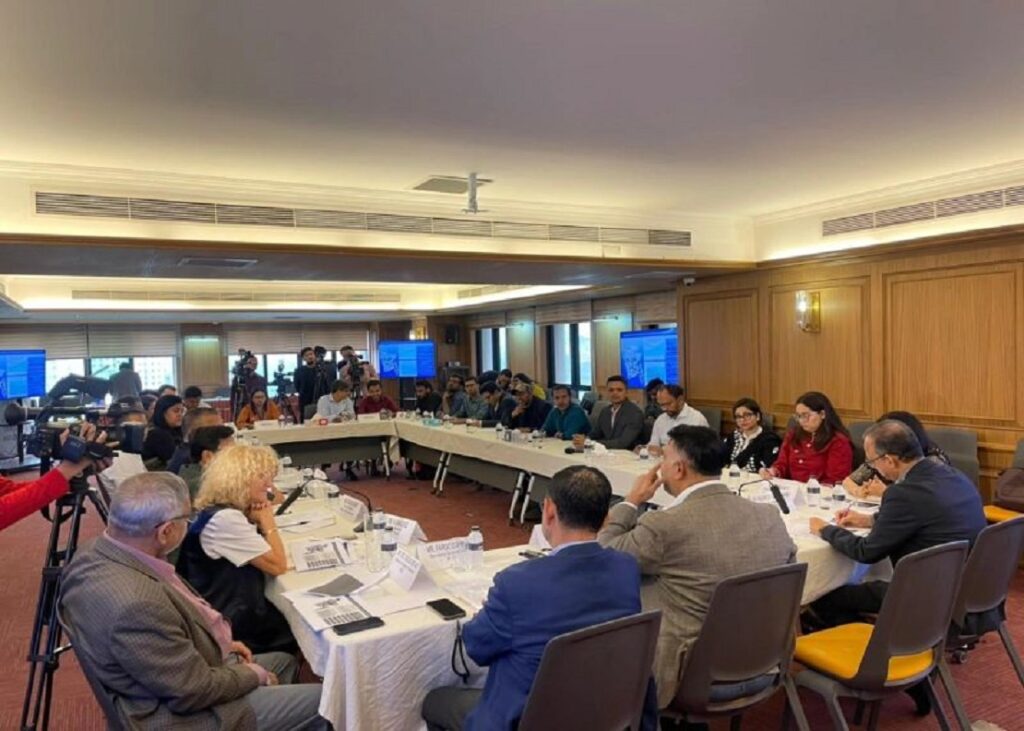
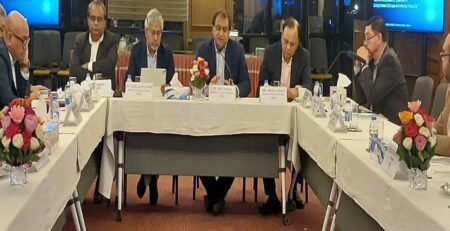
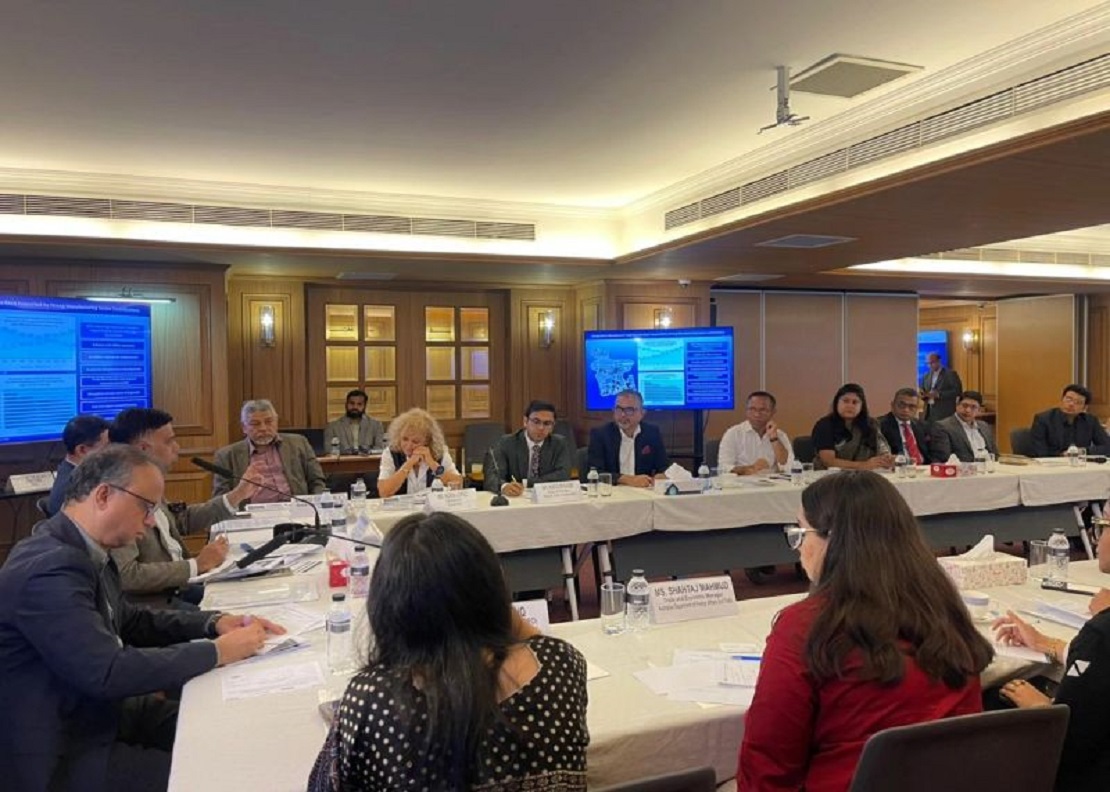
A panel discussion moderated by Dr. Reaz brought together leading industry voices and professionals, including Ms. Nuria Lopez, Chairperson of the European Union Chamber of Commerce in Bangladesh (EuroCham); Mr. Margub Kabir, Head of Chambers, Margub Kabir & Associates; and Ms. Zinnia Huq, Chief Financial Officer (CFO) of Unilever Bangladesh Limited. The panel discussed key constraints facing businesses, including regulatory complexity, policy uncertainty, and barriers to investment, while offering practical recommendations to improve the overall business environment.
Ms. Zinnia Huq, Chief Financial Officer of Unilever Bangladesh Limited, noted that investor prioritize speed, transparency, predictability, and coordination among authorities, stressing the need for policies to transition from being person-dependent to institution-based in order to build sustainable investor confidence.
Ms. Nuria Lopez, Chairperson of the European Union Chamber of Commerce in Bangladesh (EuroCham), noted that without clear commitments on free trade agreements (FTA) and reliable export access, investors remain hesitant. She also emphasized the importance of ensuring policy consistency, modernizing customs systems, improving energy supply, and strengthening public-private engagement with clear accountability mechanisms.
Mr. Margub Kabir, Head of Chambers at Margub Kabir & Associates, highlighted the importance of reforming outdated procedural laws to make them more streamlined and effective for resolving commercial matters.
Mr. Mahmud Hasan Khan, President of the Bangladesh Garment Manufacturers and Exporters Association (BGMEA), emphasized that without consistent and quality energy, it would be difficult for Bangladesh to move into higher value-added industries.
The dialogue concluded with a strong emphasis on the need for coordinated reforms and sustained engagement between the public and private sectors. Participants highlighted the importance of translating these discussions into actionable policy measures that can strengthen investor confidence and support Bangladesh’s long-term economic growth.
Dhaka, April 29, 2026 – At a critical juncture for Bangladesh’s economic future, where sustaining growth and attracting quality investment remain pressing priorities, policymakers and business leaders gathered today to discuss how to strengthen the country’s business and investment climate. With the new government setting its reform agenda following the recent election, the dialogue emphasized the urgency of improving regulatory predictability, ease of doing business, and investor confidence, key areas that will shape policy priorities and the upcoming national budget.
The Business Climate Dialogue, titled “Improving the Investment Climate: Why It’s Critical for the New Government Priorities and the Upcoming National Budget,” was jointly organized by the Metropolitan Chamber of Commerce and Industry (MCCI) and Policy Exchange Bangladesh, with support from the Australian High Commission. The event was graced by Guest of Honor Mr. Mahmud Hasan Khan, President of the Bangladesh Garment Manufacturers and Exporters Association (BGMEA).
The session began with welcome remarks by Mr. Farooq Ahmed, Secretary General and CEO of the Metropolitan Chamber of Commerce and Industry (MCCI), who set the context for the dialogue and emphasized the importance of strengthening the investment climate to support sustainable economic growth. Delivering the keynote presentation, Dr. M. Masrur Reaz, Chairman and CEO of Policy Exchange Bangladesh, highlighted the importance of undertaking timely reforms to unlock private sector growth, improve competitiveness, and attract both domestic and foreign investment.
A panel discussion moderated by Dr. Reaz brought together leading industry voices and professionals, including Ms. Nuria Lopez, Chairperson of the European Union Chamber of Commerce in Bangladesh (EuroCham); Mr. Margub Kabir, Head of Chambers, Margub Kabir & Associates; and Ms. Zinnia Huq, Chief Financial Officer (CFO) of Unilever Bangladesh Limited. The panel discussed key constraints facing businesses, including regulatory complexity, policy uncertainty, and barriers to investment, while offering practical recommendations to improve the overall business environment.
Ms. Zinnia Huq, Chief Financial Officer of Unilever Bangladesh Limited, noted that investor prioritize speed, transparency, predictability, and coordination among authorities, stressing the need for policies to transition from being person-dependent to institution-based in order to build sustainable investor confidence.
Ms. Nuria Lopez, Chairperson of the European Union Chamber of Commerce in Bangladesh (EuroCham), noted that without clear commitments on free trade agreements (FTA) and reliable export access, investors remain hesitant. She also emphasized the importance of ensuring policy consistency, modernizing customs systems, improving energy supply, and strengthening public-private engagement with clear accountability mechanisms.
Mr. Margub Kabir, Head of Chambers at Margub Kabir & Associates, highlighted the importance of reforming outdated procedural laws to make them more streamlined and effective for resolving commercial matters.
Mr. Mahmud Hasan Khan, President of the Bangladesh Garment Manufacturers and Exporters Association (BGMEA), emphasized that without consistent and quality energy, it would be difficult for Bangladesh to move into higher value-added industries.
The dialogue concluded with a strong emphasis on the need for coordinated reforms and sustained engagement between the public and private sectors. Participants highlighted the importance of translating these discussions into actionable policy measures that can strengthen investor confidence and support Bangladesh’s long-term economic growth.